
Quality Time: The Language of Love That Asks You to Be Fully There
Learn what quality time means as a love language, how to recognize it, and practical ways to give undivided attention that makes your partner feel chosen.
We all express love differently — and we feel it differently too. Dr. Gary Chapman's five love languages framework helps couples understand why a thoughtful gift might mean everything to one person, while another just needs to hear "I'm proud of you" out loud. When you know your partner's primary love language, you stop loving them the way you want to be loved and start loving them the way they actually receive it. These guides break down each language with real examples, practical phrases, and the small shifts that make love feel less like guesswork and more like being truly known.
Learn what quality time means as a love language, how to recognize it, and practical ways to give undivided attention that makes your partner feel chosen.

Learn what acts of service mean as a love language, how to recognize it, and practical ways to lighten your partner's load so care actually lands.

Learn what receiving gifts means as a love language — it's about thoughtfulness, not price — plus signs, ideas, and how to make gestures feel meaningful.

Learn what physical touch means as a love language — from hand-holding to hugs — plus signs, ideas, and how to offer affection that feels safe and wanted.
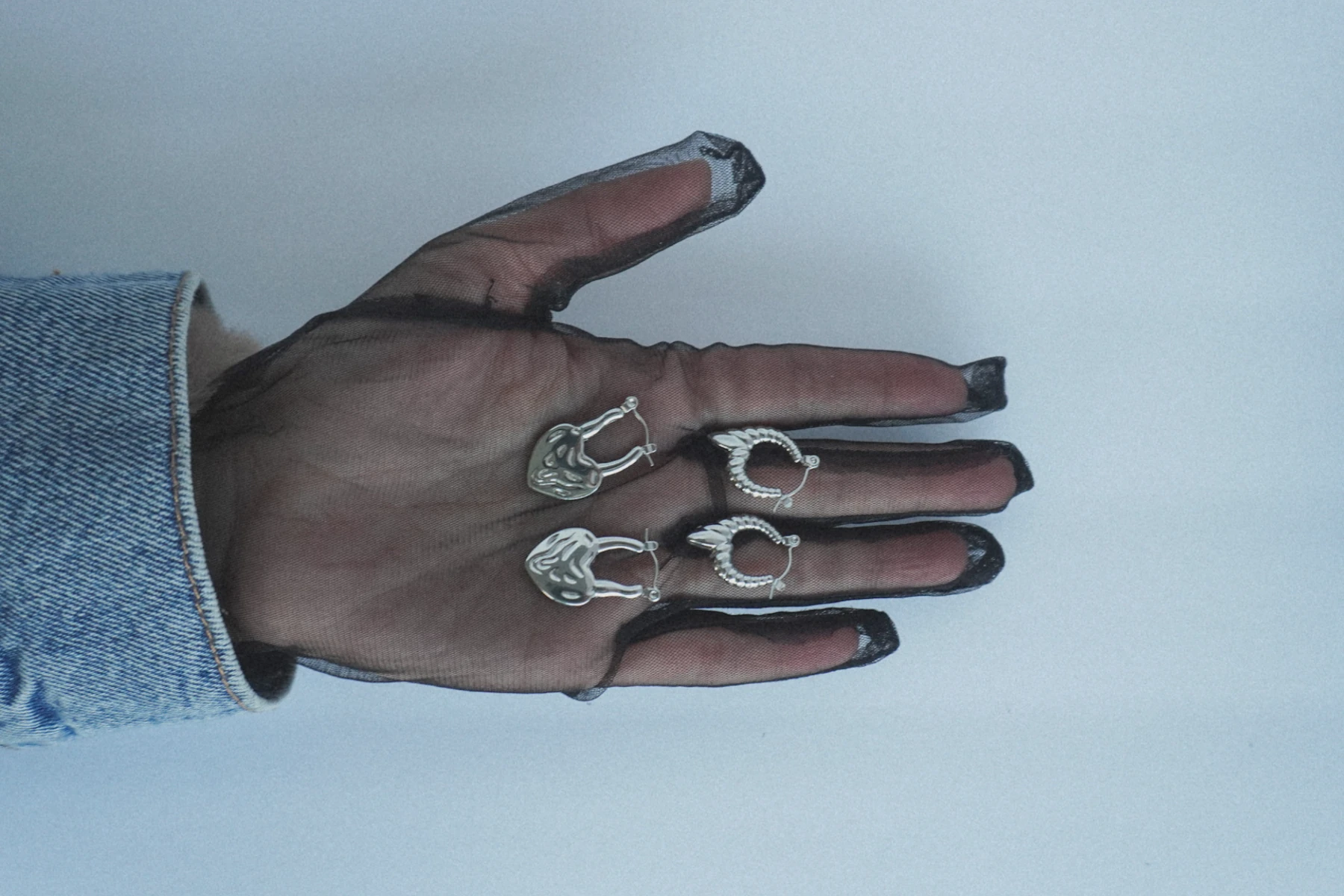
Learn what words of affirmation mean as a love language, how to recognize it in yourself or your partner, and 78 phrases that make someone feel truly loved.

What are words of affirmation? Learn the definition, how this love language works in relationships, and examples that show why spoken appreciation matters.
Verbal compliments, encouragement, and appreciation that make someone feel deeply seen.
Undivided attention and meaningful presence — being fully there, not just in the room.
Actions that lighten someone's load — the things you do that say "I care about your day."
Thoughtful tokens that show you were thinking of them — the meaning behind the gesture.
Non-sexual affection — hand-holding, hugs, and closeness that communicate warmth and safety.